Containerized Family Housing Units: Modern, Affordable, and Sustainable Living Solutions
Introduction: Redefining Family Living with Modular Innovation
Cities are growing, and many families need homes that are affordable and flexible. Building houses the old way takes a long time, costs a lot, and can cause negative effects on the environment. Containerized family housing uses shipping containers or special modular boxes to make homes. These homes are good for the environment, cost less, and can be built fast. They can be small houses or big apartment buildings that you can change or move easily. This is a smart new way to live today.
This solution is part of our broader containerized housing units designed for scalable and rapid deployment.
.png)
.png)
What are Containerized Family Housing Units?
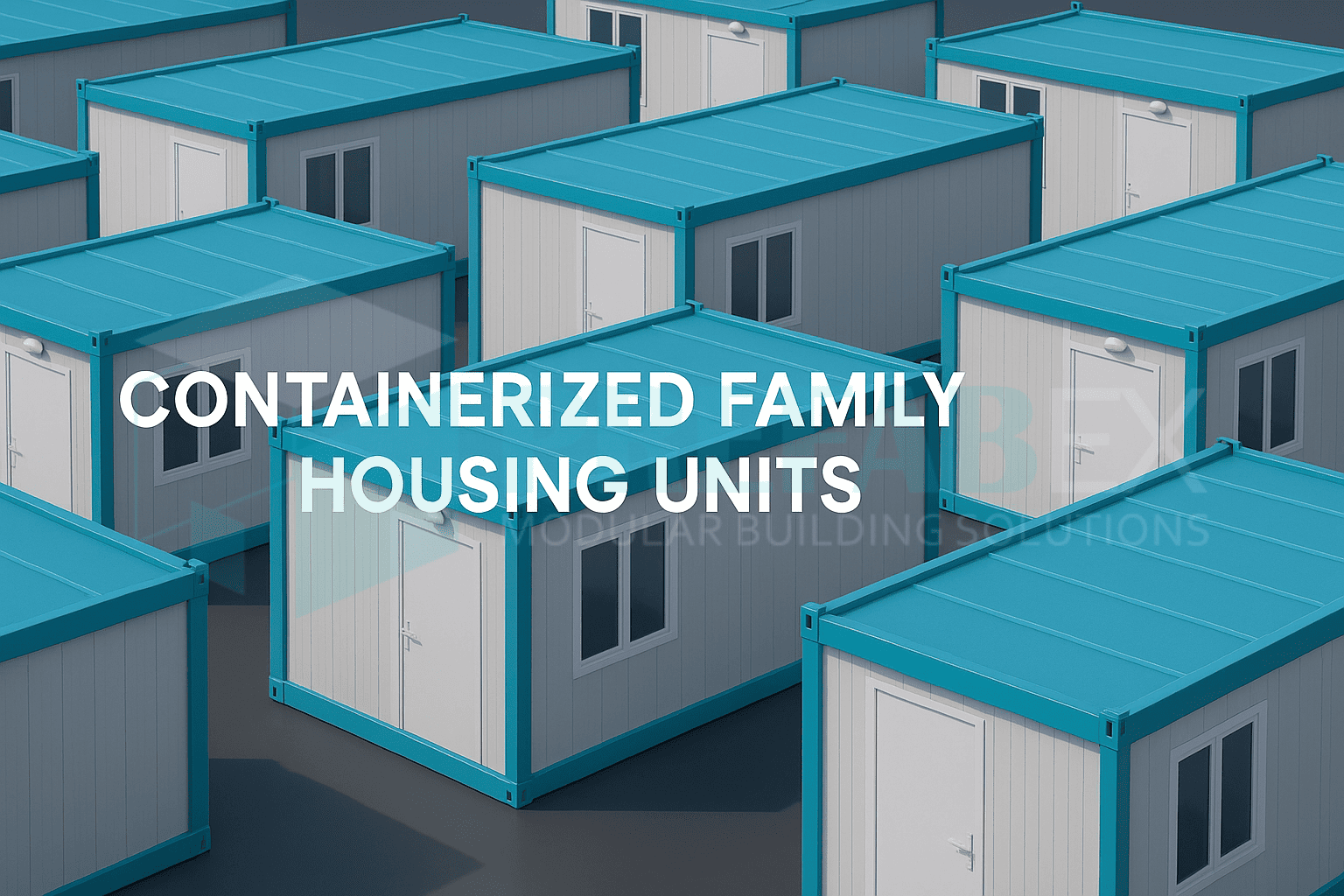
Containerized Family Housing Units (CFHUs) are innovative, modular living spaces designed to provide temporary or semi-permanent accommodations for individuals and families, particularly in situations where traditional housing options may be unavailable or unsuitable. Typically constructed using old shipping containers are fixed up, or new modular containers are built just for housing, these units are rugged, durable, and can be efficiently transported and assembled on-site.
Each container home has walls that keep heat or cold inside. They also have HVAC systems, plumbing, electricity, and everything a family needs. You can stack these containers or put them side by side. Architects can make homes with many rooms or even apartment buildings with kitchens, bathrooms, living spaces, and outdoor areas.
Prefabex is a Leading Manufacturer of Containerized Housing Units
Prefabex is a leading manufacturer of containerized housing units, providing durable, efficient, and comfortable modular living solutions for every environment. Our prefabricated housing units are engineered from high-quality steel containers, designed to deliver strength, safety, and energy efficiency. Ideal for worker camps, student housing, emergency shelters, or residential projects, Prefabex container homes are customizable in layout, finish, and function. Quick to deploy and built to last, our modular designs redefine modern housing with flexibility, sustainability, and style.
Durable, Flexible, and Ready-to-Live Modular Housing
At Prefabex, we specialize in producing containerized housing units that combine smart engineering with modern design. Each unit is prefabricated for fast assembly, minimizing on-site construction time while maintaining superior quality and comfort. Our housing solutions can be adapted for single or multi-story configurations, equipped with insulation, plumbing, and electrical systems for complete functionality. Built to meet global standards, Prefabex containerized housing units provide a cost-effective and sustainable alternative to traditional construction—perfect for projects that demand speed, efficiency, and reliability.
Why Families Are Turning to Containerized Housing
More families are choosing container homes because they are cheaper, faster to build, and better for the planet. They still feel modern and comfortable, with lots of design choices.
- Affordability and Cost Efficiency
Building traditional houses costs a lot because of labor and wasted materials. Container homes are made in factories. This means better quality and no long delays. It can cost 30 to 50% less than usual homes.
- Rapid Construction and Deployment
Most parts are made before arriving at the site. Homes can be ready in a few weeks. This is great for families who want to move in fast or need shelter after disasters.
- Sustainability and Eco-Friendliness
These homes use recycled or new steel that can be recycled again. Good insulation saves energy. Solar panels and collecting rainwater can be added to help the environment even more.
- Flexibility and Scalability
Families can start with one container and add more later. This means homes can grow when families need more space. They don’t need new land or big rebuilding.
- Durability and Longevity
Made from strong steel, container homes stand up to bad weather, earthquakes, and heavy use. They last a long time in cities or far away places.
Design Possibilities: From Compact Homes to Family Compounds
Modern container homes are very flexible; this means you can design them in many ways. They don’t look like old shipping containers anymore because now they focus on being comfortable, nice to look at, and good for families.
Single-Unit Family Homes
One container can become a small but useful home. It has an open space with a bedroom, small kitchen, and bathroom. These homes are good for small families, young couples, or people who want an affordable first home.
Multi-Container Homes
You can join two or more containers side by side or on top of each other. This gives families bigger homes with separate rooms for living, eating, and sleeping. Sliding glass doors, decks outside, and hallways connect the spaces to make a cozy home like a regular house.
Stacked and Duplex Configurations
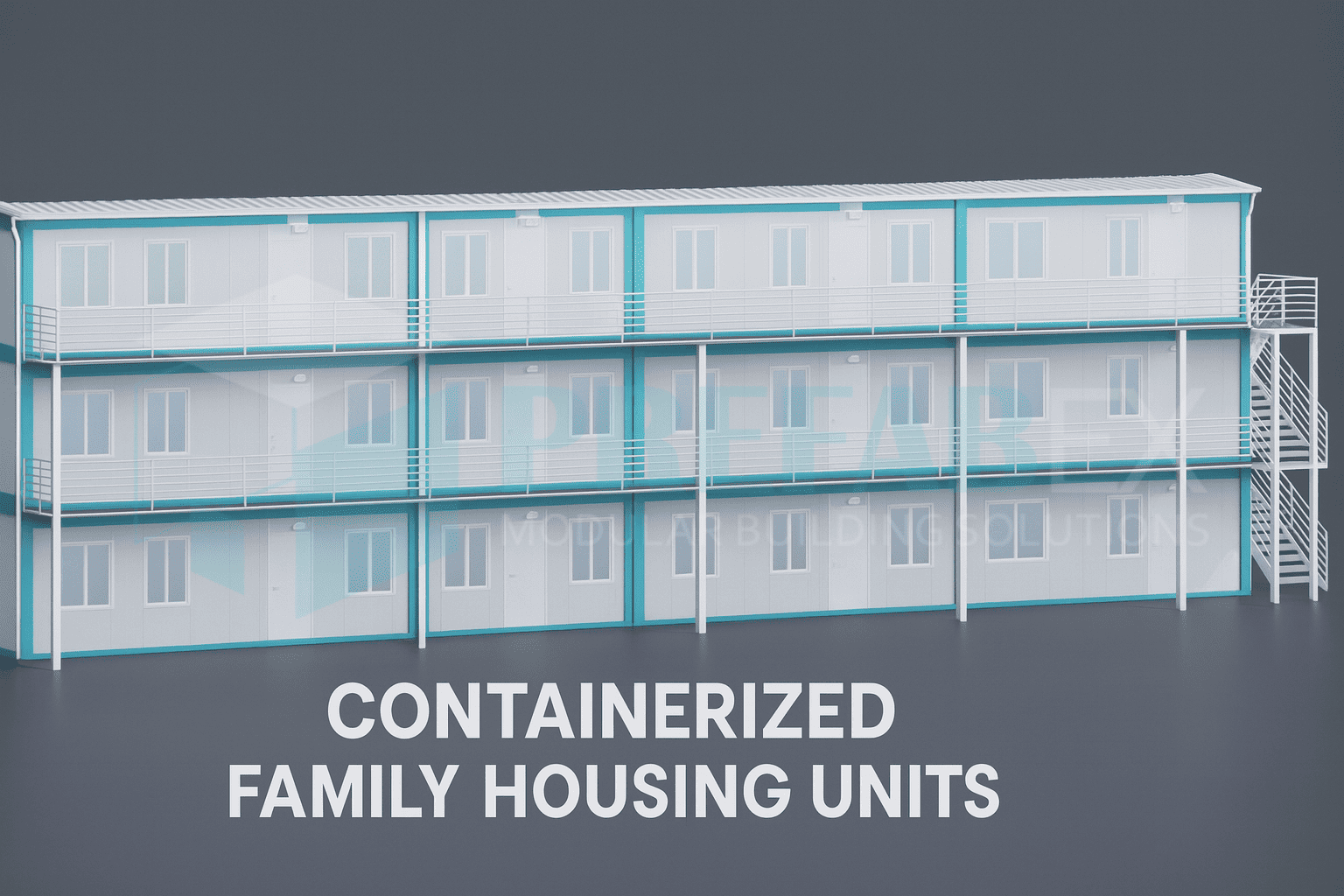
In cities or places with many families, containers can be stacked to make two or more floors which give more space and privacy. These homes can have roof terraces, balconies, or shared yards. They look nice and work well for families.
Community and Cluster Developments
Whole neighborhoods can be made with container homes. These areas can be affordable and good for the environment. Homes are linked by paths, green areas, and places to play or meet. The design is flexible for short or long-term living.
Construction and Materials: Engineered for Comfort and Strength
Container homes are built carefully with strong and useful materials. Each container usually has:
- A steel frame for strength and support.
- Insulated walls to keep heat, cold, and sound out.
- Double glass windows for light and saving energy.
- Modern floors, furniture, and cabinets.
- Heating and cooling systems for comfort all year.
- Built-in electrical, water, and waste systems.
For insulation, these structures use polyurethane, foam, or rock wool which keeps the home safe from fire, quiet, and energy efficient. This combination makes container homes strong and comfy to live in.
Customization: Tailored to Every Family’s Lifestyle
Container homes don’t have to look the same because families can pick different layouts, wall styles, and inside finishes. Some options are:
- Open spaces with new kitchens and living rooms.
- Separate bedrooms for privacy.
- Solar panels and energy systems.
- Roof gardens or terraces.
- Outside walls made from wood, metal, or other materials.
You can also add smart home features like automatic lights, temperature controls, and security systems to make the home modern and easy to live in.
Comfort and Livability
In the past, container homes seemed temporary or small. Now, they are made for family comfort and long stays. Good insulation keeps the temperature steady all year. Soundproofing stops noise between homes and smart ventilation keeps the air fresh.
Containerized family housing combines modern comfort with safety and sustainability. Large windows and skylights maximize natural light, helping to lower energy costs while creating a bright, inviting environment. These homes offer all the usual amenities found in traditional houses, including fully equipped kitchens, bathrooms, cozy living areas, and practical storage options, without compromising on affordability or ease of living.
Safety and Compliance
Manufacturers adhere to international building standards such as ISO and CE, as well as local housing regulations, ensuring each unit meets or exceeds required codes. Key safety features integrated into these homes include fire-resistant materials like rock wool insulation, reinforced structural frames designed to withstand wind and seismic activity, non-slip floors, waterproof finishes, and secure electrical and plumbing installations. Rigorous factory inspections are carried out prior to delivery, guaranteeing that each home meets high standards for structural integrity, safety, and overall performance.
Sustainability and Eco-Friendly Design
Container homes focus on being good for the Earth. They use steel containers or panels that can be recycled. This helps cut down on waste and pollution. These homes keep energy use low by using good insulation, LED lights, and solar energy. Many have solar panels, rainwater collectors, and toilets that compost waste. This way of building helps nature and saves money on bills. It’s a smart choice for families who want homes that last and don’t cost much to run.
Applications Beyond Housing
Container homes can be used for more than just family houses. They are also great for:
- Homes for people who lost their houses in disasters.
- Government programs that give affordable homes.
- Temporary homes when roads or buildings are being fixed.
- Helping people in faraway or poor areas.
Because these homes are easy to move and build, they are perfect for emergencies and long-term use in communities.
Economic and Social Impact
Container homes cost less, so more people can afford them. This helps families who couldn’t buy a regular house before. Governments and groups use container homes to fix housing problems in cities. Building these homes quickly also creates jobs and helps local businesses. Moreover16, less waste during building means less harm to the environment. This supports good growth in cities.
The Future of Family Living
New technology is making container homes even better. In the future, these homes might have smart energy controls, AI to help with repairs, and machines to build them faster. Architects mix containers with nature, using natural materials and plants. This makes homes that look good, work well, and care for the planet. Container home communities will be a big part of solving housing problems worldwide. They will give families nice, flexible, and eco-friendly places to live.
A New Era of Affordable Family Housing
Container homes show us a new way to live. They are strong, affordable, and can be designed in many ways. Families can live in single homes, tall apartment stacks, or whole neighborhoods made from containers. These homes keep families comfortable and safe while protecting the environment. As housing costs rise and the world needs greener living, container homes prove that smart and beautiful housing is possible for everyone.