Light Gauge vs. Structural Steel Framing: What’s the Difference?
Understanding the Basics: What Are Steel Framing Systems?
As the market demands a reliable construction method in modern building design, steel framing shines as a premium solution due to many factors. Strength, longevity and flexibility are key elements in construction that work best for almost every type of building, from residential homes to large-scale commercial developments. Steel framing offers two types in the market, LGS or light gauge
Steel and SSF or structural steel framing. Both types provide the same functionality of the building but they differ in application, load-bearing, capabilities and construction methods. Let’s delve deeply in this article to unveil the difference between these two systems and choose the right framing solution for your project.


.png)
.jpg)
.jpg)
.jpg)


What Is Light Gauge Steel Framing?
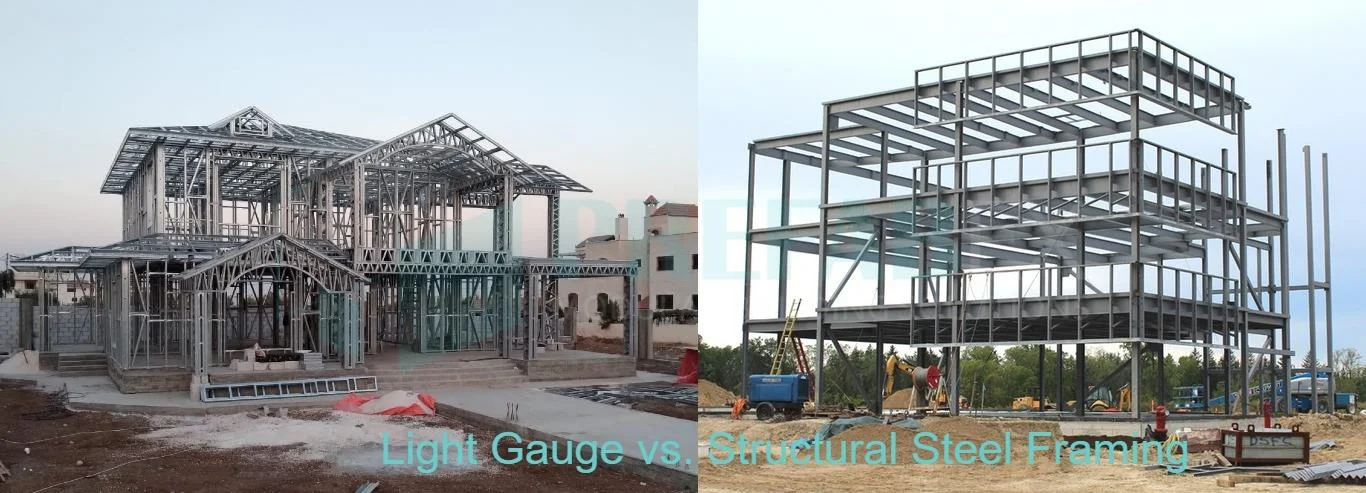
Light gauge steel framing is formed of paper-like sheets of galvanized steel that is cold-formed into C or U shapes. It is widely used in homes, non-load bearing applications and interior partitions because it is lightweight, easy to handle and stand still against rot, corrosion, termites, and fire. LGS is often used in the following projects because of their speed, cost-efficiency and transportation ease:
- Modular buildings
- Prefabricated homes
- Temporary structures
- Interior non-structural walls
What Is Structural Steel Framing?
Structural steel framing uses hot-rolled steel sections such as I-beams, H-columns and wide flange beams that are designed to load excessive weight. SSF is widely used in high-rise buildings, bridges, industrial warehouses and infrastructure projects that require exclusive durability like in areas of seismic activities. SSF is known for:
- Supporting heavy loads and large spans
- Suitability for multi-story buildings and commercial use
- Great strength and more rigidity than light gauge steel
- Being used for both vertical and horizontal structural elements
Strength and Load Capacity: How Do They Compare?
When we look at light gauge and structural steel framing, the main difference is how much weight they can bear. SSF can carry very heavy loads and it is used for important parts like beams and columns. LGS on the other hand is better for smaller jobs like walls or roof parts in light buildings. For example, a structural steel beam can hold a roof or many floors while a light gauge steel stud works well for walls or roof trusses. Light gauge is cheap and flexible, but structural steel is highly durable.
Installation and Construction Time
Light Gauge Steel is light and easy to put together. The parts are cut in the factory, so workers can quickly join them on site. This helps finish building faster and requires fewer skilled workers. It is good for modular buildings where pieces fit like a puzzle. Structural Steel Framing on the other hand takes more work because it needs cranes and welding. It is strong and used for big buildings with many floors or long spaces and it is the best for large and long-lasting projects.
Cost Considerations: Light Gauge vs. Structural Steel
Cost is an important part when deciding on a framing system. Light Gauge Steel usually costs less for small and medium buildings because it is lighter, easier to put together, and needs fewer workers on site. It also makes less waste, which helps save money. Structural Steel can cost more at the start but it is very strong, safe, and lasts a long time. This makes it good for big buildings and important projects where strength matters the most.
Durability and Environmental Performance
Both LGS and SSF are durable and provide great advantages when compared to wood or concrete buildings. In spite of that, structural steel framing is highly resistant to loads, extreme weather and seismic activities. On the other hand, light gauge steel is durable and works best in moderate climates and lowers structural demands. Both systems are recyclable and sustainable but LGS has a lower carbon footprint because it is lighter to bre relocated and faster to be assembled.
Which One Should You Choose?
Are you confused about which framing to use? Consider these factors for both LGS and SSF structures:
- Type of project (residential vs. commercial)
- Load requirements
- Budget and timeline
- Building size and height
- Environmental conditions
If you want to build a modular office, a prefab classroom or temporary shelter, then LGS is a smart solution. But if you are planning for hospitals, multi-story buildings or infrastructure, then SSF is highly recommended.
Matching the Framing to the Function
When you build a small prefab unit or a large factory, it is important to understand light gauge steel and structural steel. These two types of framing are used in modern buildings. Choosing the right one is key for your safety, saving money and longevity. If you are planning a project with modular or steel designs, Prefabex’s team is ready to help you find the best framing for what you need and bring your vision to life.