Precast Concrete vs Prefabricated Modular Buildings: Which Is Right for Your Project?
In today’s building world, precast concrete and prefabricated modular buildings became key building factors. Both are made off-site but still different in function. You can use them to make tall towers, schools, factories, or homes but you should understand the pros and cons of each to decide what is best for you. This also helps you pick the best way to build that saves money, time, and helps the environment. In this article, we will explain the main differences between precast concrete and modular buildings for your next project.
These construction methods are part of complete modular buildings solutions developed for efficient, durable, and high-performance prefabricated construction projects, combining advanced building systems, faster installation, and long-term structural reliability.
.png)
.png)
.png)
.jpg)
.jpg)
.jpg)

.jpg)


What is Precast Concrete Construction?
Precast concrete construction is a method of building that creates walls, floors, beams and stairs as single parts in a factory setting then transports them to the assembly location. This method is very helpful in infrastructure, parking garages, briggs and scaled buildings to make durable and firm structures. These structures offer great advantages that include fire resistance, reduced on-site labor, high durability and unmatched sound insulation. However, they need great on-site assembly work and collaboration while integrating plumbing, electrical and finishing systems.
What are Prefabricated Modular Buildings?
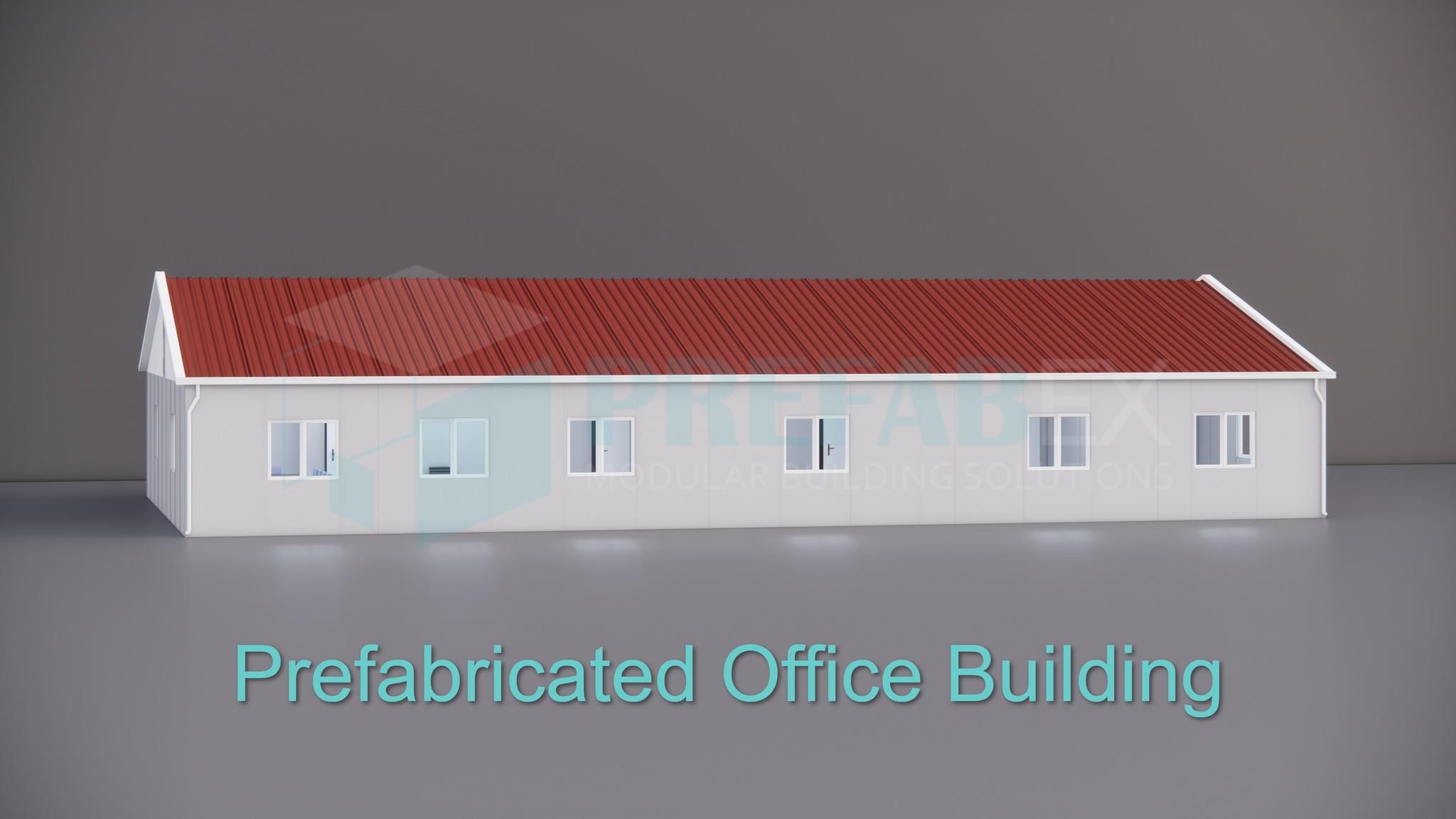
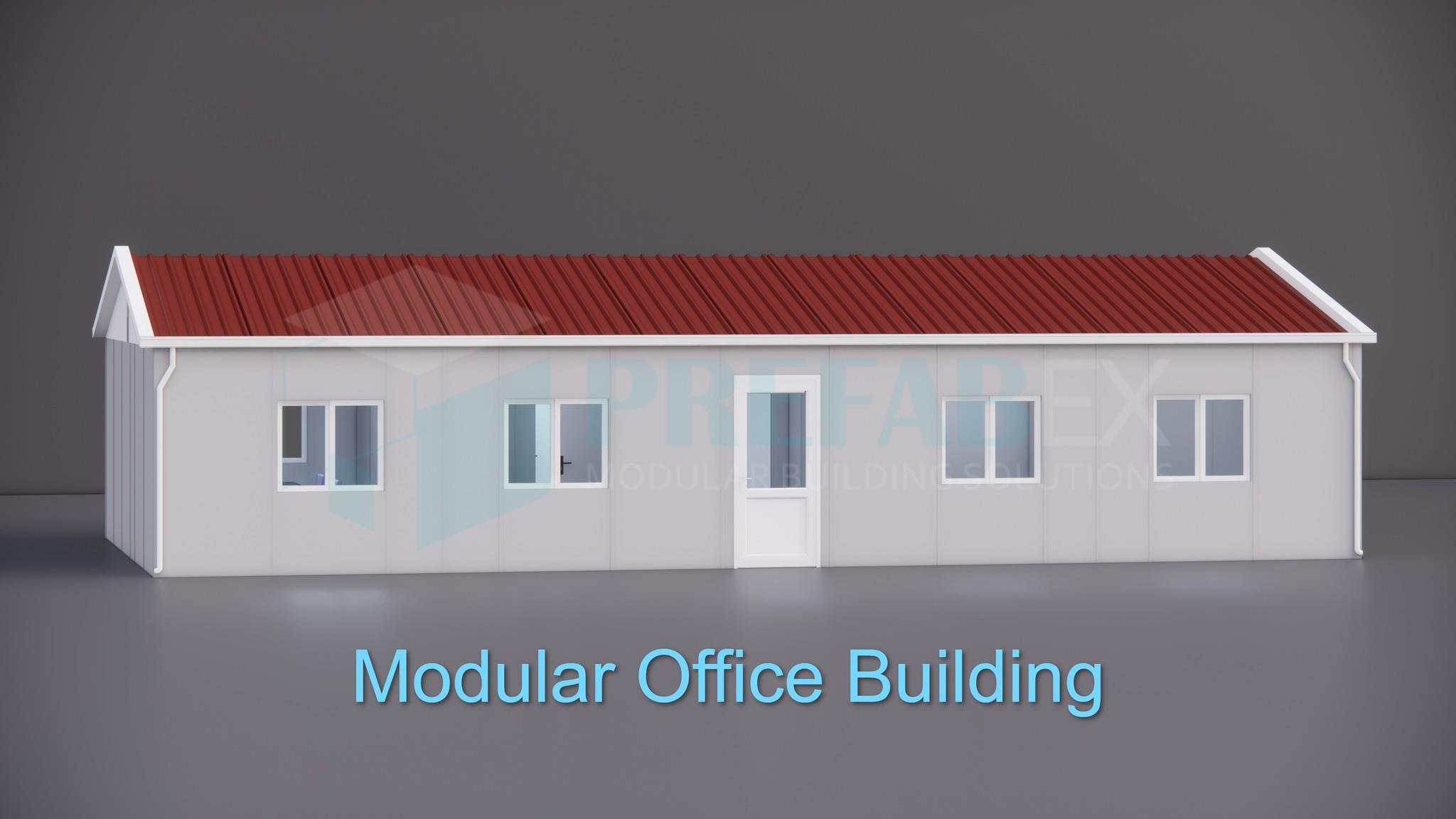
Prefabricated modular buildings are parts of a building made in a factory where single parts like walls, wiring, floors, heating, and sometimes furniture are already inside. After that, the parts are moved to the desired location and put together like blocks. If you are building schools, clinics, offices, hotels, and homes, then modular buildings are the answer for fast, quality construction. Making these parts in a factory helps finish the building much faster than usual yet saves up half the time compared to normal building ways.
Comparing precast concrete vs prefabricated modular buildings helps explain how different methods of prefabricated buildings are used for speed, durability, structural performance, and project efficiency.
Speed of Construction: Modular Takes the Lead
What matters the most in building is the time consumed in the process and prefabricated modular buildings are known for their speed and efficiency in reducing build time. Since most of the work happens in parallel, the whole building process wouldn’t use too much time to be ready to use. Upon delivery, the units will be installed in a matter of days or weeks. In opposition, precast concrete elements must happen step by step by cranes and specialized labor for alignment and joint sealing which is considered a fast process if compared to traditional building methods, but still it is time consuming if compared to the rapid deployment of modular construction.
Structural Strength: Precast Concrete’s Advantage
Precast concrete construction is very strong and lasts a long time. It is good for big projects like bridges and buildings that need to hold heavy weight and it can resist earthquakes and fire well. Precast concrete parts can carry heavy loads and last many years with little care. On the other hand, modular buildings use light steel, wood, or mixed materials which are strong but better for medium-height or temporary buildings. They do not have the same strength as precast concrete for very heavy or long-lasting structures which makes them better for tough jobs that need extra safety and durability.
Design Flexibility and Interior Customization
A remarkable feature of modular construction is its interior flexibility. These units can be customized with different layouts, finishes and configurations that match the client’s needs which makes them perfect for commercial spaces, educational facilities or residential projects that are based on fast changes or expansion. In opposition, precast concrete interior customization will happen on site which means they are less capable of running design edits especially after prefabrication. This means that the major changes must occur before casting. For these reasons, precast is mostly suited for repetitive, structural elements rather than personalized spaces.
Transportation, Logistics, and Site Considerations
Both precast concrete construction and modular buildings are off-site solutions but they differ in logistics. Precast concrete components are flat, stackable and earieser to transport in bulk. Still, they require heavy machinery to do the installation and on-site labor for joint grouting and finishes. In contrast, modular buildings are transported in enclosed rooms or units which means route planning size restrictions and crane placement processes are more complex. This offers quick deployment and minimal labor.
Cost Efficiency: Short-Term vs Long-Term Value
Modular construction is often cheaper at the initial cost because it uses less work, makes less waste, and takes less time to build. This helps lower the cost of projects like schools, worker housing, and emergency buildings. Precast concrete construction can cost more at first because it needs heavy materials and special molds. Consequently, it lasts a long time and does not need much fixing later which can save money over many years. For buildings that stay for a long time or need strong structures, precast concrete can be a better choice in the end.
Environmental Impact and Sustainability
Modular buildings are truly sustainable because of their reduced waste, controlled energy usage in factories and minimal site disruption. These structures can be certified as green structures by LEED or WELL as well. Precast concrete, on the other hand, are truly sustainable because they use recycled aggregates and efficient curing methods. Unfortunately, the high embodied carbon of cement makes them less eco-friendly if compared to lightweight modular materials.
Which One Should You Choose?
Choosing between precast concrete construction and prefabricated modular buildings depends on your project needs, money, time, and design plans. If you are looking for a fast build and have flexible spaces that are ready inside, modular buildings work well. If you need strong structures that resist fire and last a long time, precast concrete is better. Knowing the advantages and limits of each type helps builders and designers pick the best way to finish the project now and keep it good for the future.
Why Prefabex Focuses Exclusively on Prefabricated Modular Buildings
At Prefabex, we specialize in prefabricated modular buildings because they offer unmatched advantages in speed, efficiency, cost control, and quality. By manufacturing our modular prefab buildings in a controlled environment, we ensure consistency, reduce waste, and accelerate project timelines—no matter the industry. This approach allows us to deliver flexible, scalable, and sustainable structures that outperform traditional construction in nearly every metric. For Prefabex, modular is not just a method—it’s the future of building.